

1972
A Film by Marissa Chibás
FISCALLY SPONSORED BY bREAKING THROUGH THE LENS,
a 501(c)(3) non-profit organization (EIN: 88-3840078)
making all donations tax-deductible for u.s. citizens.
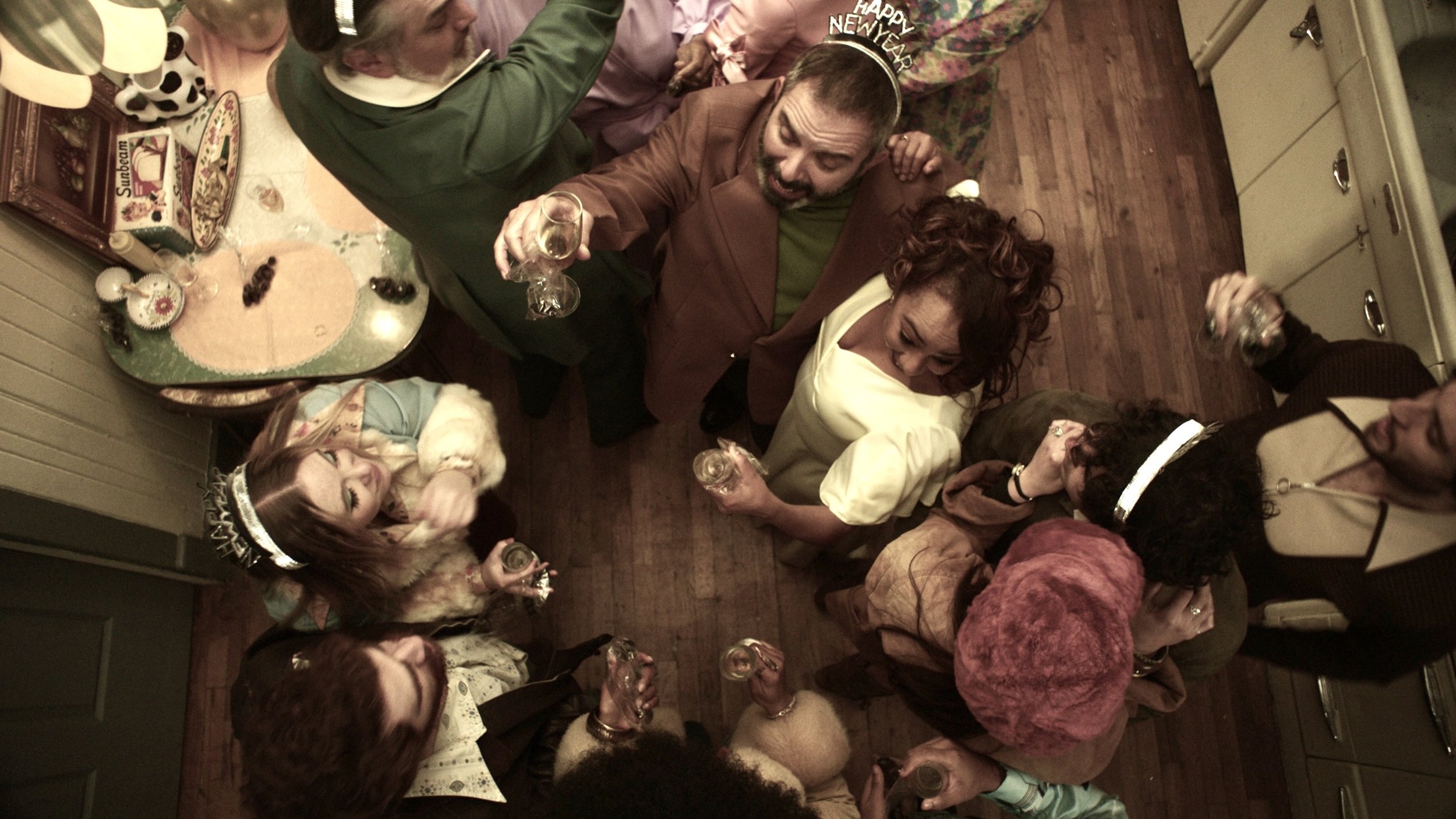
1972, A film by Marissa Chibás
HOVER OVER PHOTOS FOR TEAM BIOS AND PROJECT DESCRIPTION
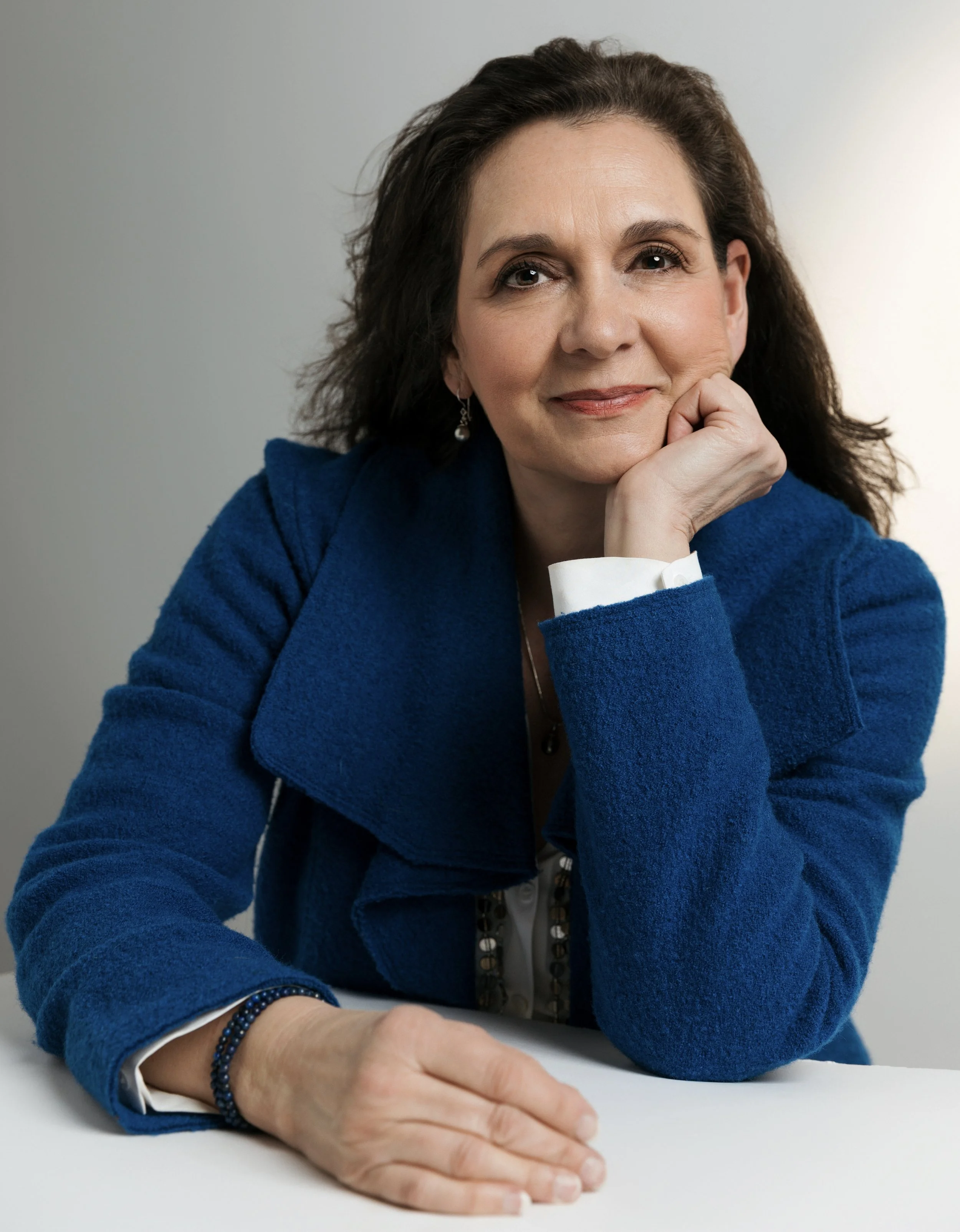
MARISSA CHIBÁS | Writer / Director (she/her)
Marissa Chibás is an award winning Cuban American writer/director who creates multi-platform work that traverse film and live audience experiences, reclaims the mythic, and celebrates immigrant stories. In 2022 she became a Sundance Screenwriting Fellow for her screenplay 1972 which was selected for the 2024 Gotham Week’s Project Market, the Wscripted Cannes Screenplay List, was an Athena Awards finalist, and she received an inaugural Sundance/Gold House Artist Accelerator grant. Her proof of concept short, 72, premiered at the 2024 Santa Barbara International Film Festival, won an Excellence in Drama award at the Hispanic International Film Festival and the Best Cast award at Diversity in Cannes. Her films have screened at; Miami Film Festival, Anthology Film Archive, The Segal Center, NFMLA, Fabrica de Arte in Havana, among others. Marissa’s path ranges from; performing on Broadway, to coaching professional wrestlers in the WWE, to becoming a #1 new release on Amazon for her book Mythic Imagination and the Actor, to winning awards as a filmmaker.
Please note, credit-card transactions incur a 2.7% processing fee. If you’d like to make an ACH or Wire, please email us at: accounts@breakingthroughthelens.com
Project Type: Feature Film
Status: Pre-Production
Genre: Drama
Production Country: USA
Production Company: Una Rosa Blanca
Writer/Director: Marissa Chibás
Producers: Liz Cardeans, Rui Xu, Steven Demmler
Language: English, Spanish
Logline: At her New Year’s Eve party in 1972 NYC, Cuban exile Gloria Cienfuegos faces the onslaught of a defiant daughter, party crashers, a rogue hamster, and her worst fears of never returning to her homeland.
LIZ CARDENAS | Producer (she/her)
Nominated for the Producer Award at the 2023 Film Independent Spirit Awards, LIZ CARDENAS is a 2022 Indie Spirit Award Winner for Best First Feature for 7 DAYS (Tribeca 2021 | Cinedigm), which she produced for Duplass Brothers Productions. She was also nominated for the John Cassavetes Award at the 2019 Indie Spirits for Augustine Frizzell's NEVER GOIN’ BACK (Sundance 2018 | A24) starring Maia Mitchell, Camila Morrone and Kyle Mooney, which she produced with Sailor Bear. A former reporter for The Dallas Morning News, Liz was selected by The Gotham to participate in the 2023 Cannes Producers Network at the Marche du Film at the Festival de Cannes, was one of four producers to receive the inaugural 2022 Dear Producer Award + Grant and was included in the 2019 LATINXT. Other notable producing credits include Alex Lehmann's ACIDIMAN (Tribeca 2022 | Brainstorm Media) starring Academy Award nominated actor Thomas Haden Church and Dianna Agron; MATERNA (Utopia), which took home Best Cinematography and Best Actress awards at Tribeca 2020; JULES OF LIGHT & DARK (Wolfe Releasing), the 2019 Outfest Best US Narrative Feature winner; and David Lowery's A GHOST STORY (Sundance 2017 | A24). Liz is based in Los Angeles and Dallas, where she grew up with her Hispanic father who immigrated to the US from Mexico City and Irish-American mother from the East Coast.
RUI XU | Producer (he/him)
An award-winning independent film producer and Project Management Professional (PMP®), Rui Xu is dedicated to raising and supporting audacious voices of underrepresented groups through the medium of filmmaking. With an early career in the music industry as a award-winning sound engineer and designer, Xu transitioned to theater and film production after establishing her startup, which has a history of producing and managing off-Broadway shows and films in China. Her work has received recognition at major film festivals. Notable accolades include the Deuxième Prix at Cinéfondation for 'Hieu' at Cannes Film Festival in 2019, and the Special Mention FEDIC for Best Short Film for 'Finis Terrae' the 77th Venice International Film Festival. Her first feature, 'Way Out Ahead of Us,' won Best Narrative Feature at the 2022 New Hampshire Film Festival. Xu is presently involved in multiple projects, including '1972,' a feature film written by Marissa Chibas, selected in the Sundance Screenwriters Intensive. Xu is one of the producers of 'Uncle Hiep's Café' written by Richard Van, a feature film project that won the SFFilm Rainin Grant at the San Francisco International Film Festival, and was selected in the Film Independent Fast Track. Xu holds master's degrees in Creative Producing from the California Institute of the Arts and Music Technology from New York University. Currently, she serves as a faculty member at CalArts, a producer at CalArts Center for New Performance. Xu is a fellow of Film Independent Project Involve in 2022.
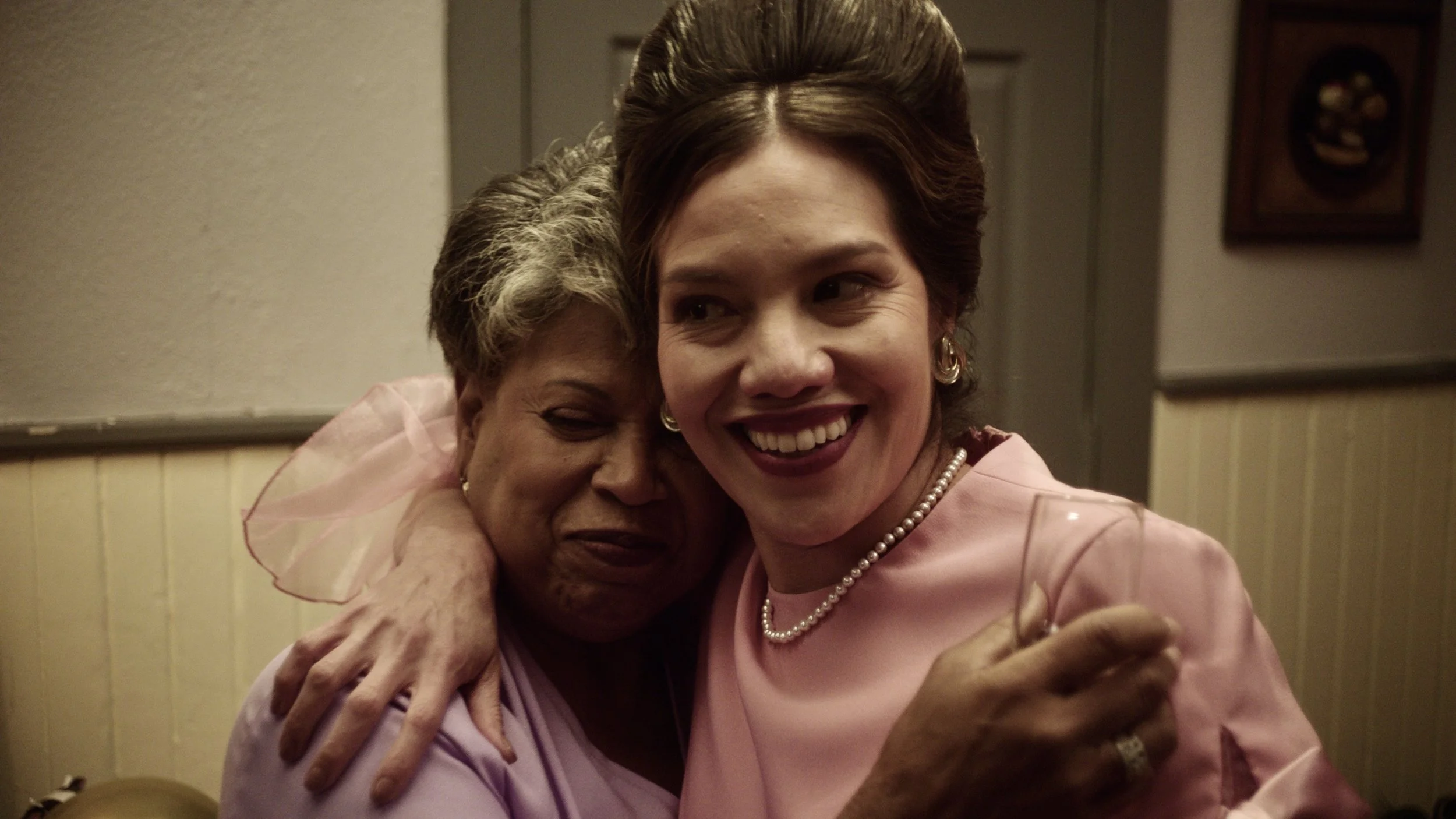
Fundraising Goals: We are currently seeking funds in order to shoot more days and to have a more robust post-production. We are also in need of funds for marketing and publicity. 1972 is a character-driven film partially based on the writer-director's own experience against the backdrop of the post-Cuban Revolution era. The story portrays two generations of a Cuban immigrant family, each with different ideologies and desires for their future life. An immigrant story of family and assimilation, there is no better time to make this film than the present. Our story centers on a mother and daughter who are in conflict until, thankfully, they find reconciliation. Our film is about a family, living in a time much like our own, overcoming all the odds put against them by forces out of their control, and finding that their love for each other is greater than anything that may try to keep them apart.
Director’s Statement:
I am the daughter of a Cuban revolutionary and a runner-up for Miss Cuba. My parents’ journey to the United States and their struggle to adjust to the new world they encountered were the inspiration for 1972. I wrote 1972 to share the experiences of the people I grew up with and their journey as Cubans in this country. I realized that if I didn’t tell their story, who would? The characters are all composites of people I knew and loved. This film is about honoring them and their resilience.
1972 is an intergenerational, female-driven story that explores the struggles of refugee life, the wounds of fragmented families, and the powerful journey of self-discovery across generational divides. 1972 was a pivotal year in the United States, with the Vietnam War creating havoc and division throughout the country. This destabilized cultural and political landscape forms the backdrop of the story we are telling. In many ways, it mirrors our current historical moment.
There is a pivotal scene in 1972 where the youngest Cienfuegos, Lucia, learns to dance “a lo cubano” with the guidance of her mother’s girlfriends. This is a page right out of my own life. I was fortunate enough to have those radiant goddesses of my childhood teach me how to find my Cuban groove. Using a handheld camera and drawing inspiration from Steve McQueen’s Lover’s Rock, we aim to create a transcendental experience—for Lucia, the cast and crew on set, and, by extension, our audience—as Lucia finds her Cuban groove. It’s a groove that leads to liberation, which is what Cuban music, dance, and culture are ultimately about: the search for full-on, unapologetic liberty.
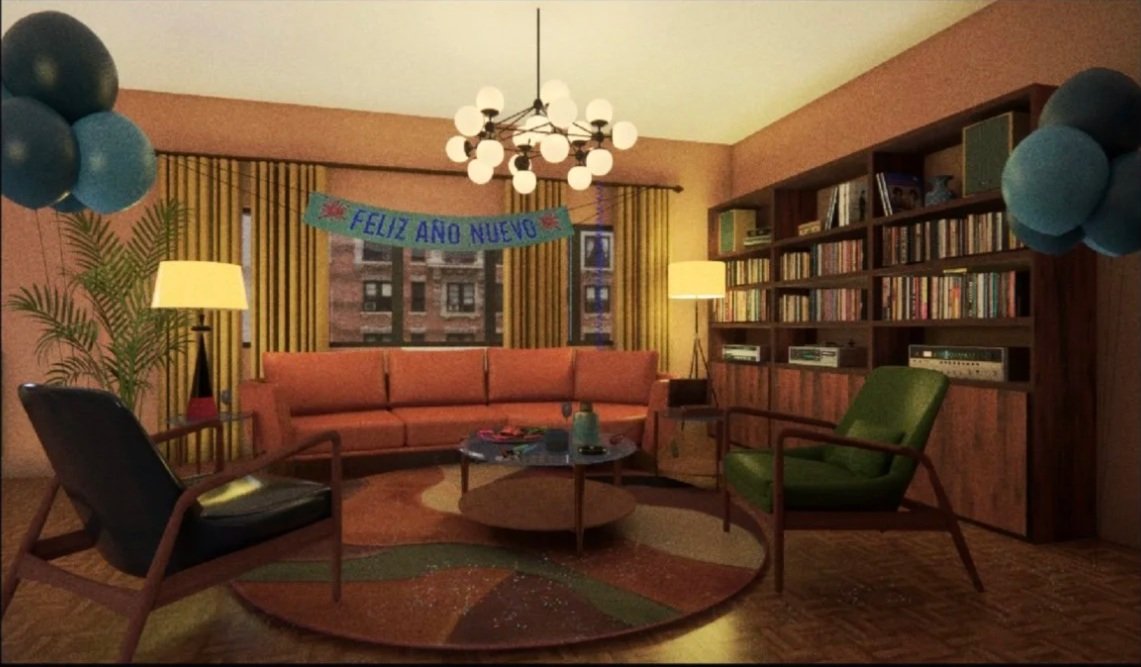
The visual narrative of our film will weave together the sounds, smells, look, feel, and tone of early ’70s New York—that delicious and complicated time. Drawing inspiration from seminal films of that era, including Mean Streets, Klute, and Carnal Knowledge, our visual approach seeks to immerse the audience in a city in the throes of cultural richness and destabilizing change. Key to our film’s aesthetic are the powerful lead women, Gloria and Viv. Their contrasting visual styles—soft silhouettes and pastel palettes versus vibrant colors and sharp edges—mirror the complexities of their conflicting refugee identities. Their musical journey will also be a visceral experience, with their respective styles battling from the very first sequence: the delicious Latin classics of Beny Moré blending and competing with the funky sounds of the early ’70s. The extraordinary composer Marcelo Zarvos (May/December, Before Night Falls) is crafting a piercingly dynamic score to guide our powerful story.
~ Marissa Chibás, Writer / Director, 1972